Geopolitical Tensions and AI Optimism Define Markets in Mid-2026
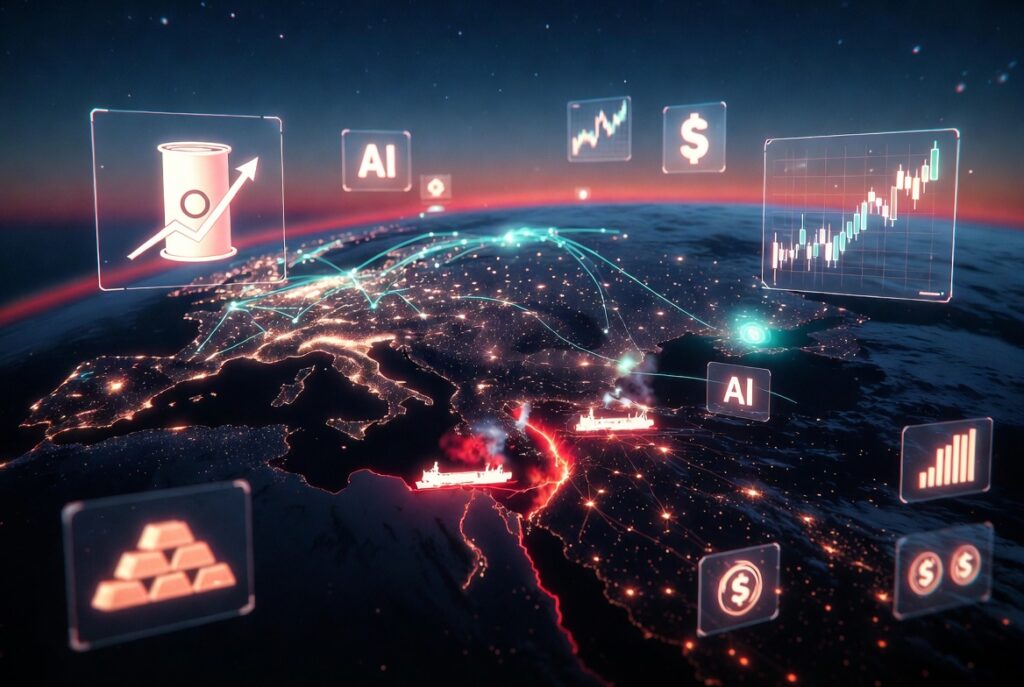
As of July 22, 2026, global markets are navigating a complex landscape shaped by persistent Middle East instability, strong corporate earnings powered by artificial intelligence, sticky inflation pressures, and evolving central bank expectations. Major U.S. indices closed higher on July 21, with the S&P 500 rising around 0.9% near 7,509, the Nasdaq Composite gaining roughly 1.3% near 25,837 (led by semiconductors), and the Dow Jones Industrial Average up about 0.7% near 52,225.Asian markets showed mixed results on July 22, highlighted by a sharp surge in South Korea’s KOSPI on chip sector strength, while European bourses posted modest gains. Commodities remain volatile: WTI crude is trading near $83–85, Brent around $89–92, and gold continues to hover near or above the $4,000–4,135 zone.
The Geopolitical Core: US-Iran Conflict and Supply Disruptions
The primary geopolitical driver remains the ongoing US-Iran conflict, now entering its fifth month. A fragile June memorandum of understanding for a 60-day ceasefire and partial reopening of the Strait of Hormuz has faced repeated setbacks. Tit-for-tat strikes, Houthi actions targeting shipping and Saudi interests, tanker incidents, and responsive U.S. measures have kept risk levels elevated.
These disruptions impact a significant portion of global oil transit routes. Even partial recoveries in tanker traffic have failed to fully restore market confidence, sustaining a notable geopolitical risk premium in energy prices. Compounding factors include new U.S. tariffs on certain trading partners and broader trade frictions, which continue to weigh on supply chain stability.
Markets have demonstrated resilience so far, largely pricing in episodic volatility rather than a full-scale regional war. Nevertheless, any collapse in mediation efforts or renewed escalation could quickly threaten energy flows, global shipping, and broader economic stability.
Energy Markets: Elevated Volatility with a Built-In Risk Premium
Oil prices have experienced sharp swings but remain well above pre-conflict averages. WTI has recently settled near its highest closes since mid-June, while Brent has pushed toward or above the $90 level at times. Key influences include ongoing Red Sea and Hormuz-related incidents and regional military exchanges.
Looking ahead, analysts see potential for some relief if the ceasefire framework holds and OPEC+ gradually increases output. However, near-term fragility is likely to persist. Higher energy costs are feeding into inflation concerns, creating headwinds for central banks and consumer spending. The United States, as a net energy exporter, is relatively better positioned than Europe and many Asian economies.
Gold has traded around the psychologically important $4,000 level, serving as a partial safe-haven asset amid uncertainty, though it faces occasional pressure from a firmer U.S. dollar and rising bond yields.
Technology and AI: The Counterbalancing Force
Despite geopolitical noise, equity markets—particularly in the U.S.—continue to find strong support from the artificial intelligence theme. Mega-cap technology companies and semiconductor firms have delivered robust earnings, reinforcing investor conviction in long-term productivity gains and new revenue streams.
This AI-driven optimism has helped major indices remain near all-time highs, offsetting concerns from energy volatility and inflation. However, valuations in the technology sector remain elevated, leaving the market sensitive to any shifts in interest rate expectations or signs of slowing AI capital expenditure.
Monetary Policy and Macro Outlook
Central banks face a delicate balancing act. Sticky inflation, partly fueled by energy prices, has delayed anticipated rate cuts in several major economies. The U.S. Federal Reserve is expected to remain data-dependent, with markets closely watching upcoming inflation reports and labor market signals.
Europe and Asia confront additional challenges from higher energy import costs and softer regional growth. Currency movements, particularly a stronger U.S. dollar, are adding pressure on emerging markets.
Investment Implications and Risks
- Energy sector: Benefits from higher prices and strategic positioning but carries high event risk.
- Technology/AI leaders: Strong fundamental momentum, yet vulnerable to valuation resets.
- Defensive assets: Gold, certain bonds, and non-cyclical sectors may provide portfolio ballast.
- Broader equities: Opportunities exist in companies with strong pricing power and limited energy exposure.
Key risks to monitor: A breakdown in Middle East de-escalation efforts, surprise inflation spikes, or rapid shifts in central bank rhetoric. Conversely, a durable ceasefire combined with continued AI momentum could support further market upside.
Overall, markets in mid-2026 reflect a classic “geopolitics versus growth” tug-of-war. While tensions remain elevated, the underlying strength in corporate innovation—especially AI—has so far prevented a deeper risk-off move.
Investors should maintain balanced positioning and stay alert to rapid developments in the Middle East and upcoming economic data releases.
This analysis is for informational purposes only and does not constitute investment advice. Always conduct your own research and consult professionals.