
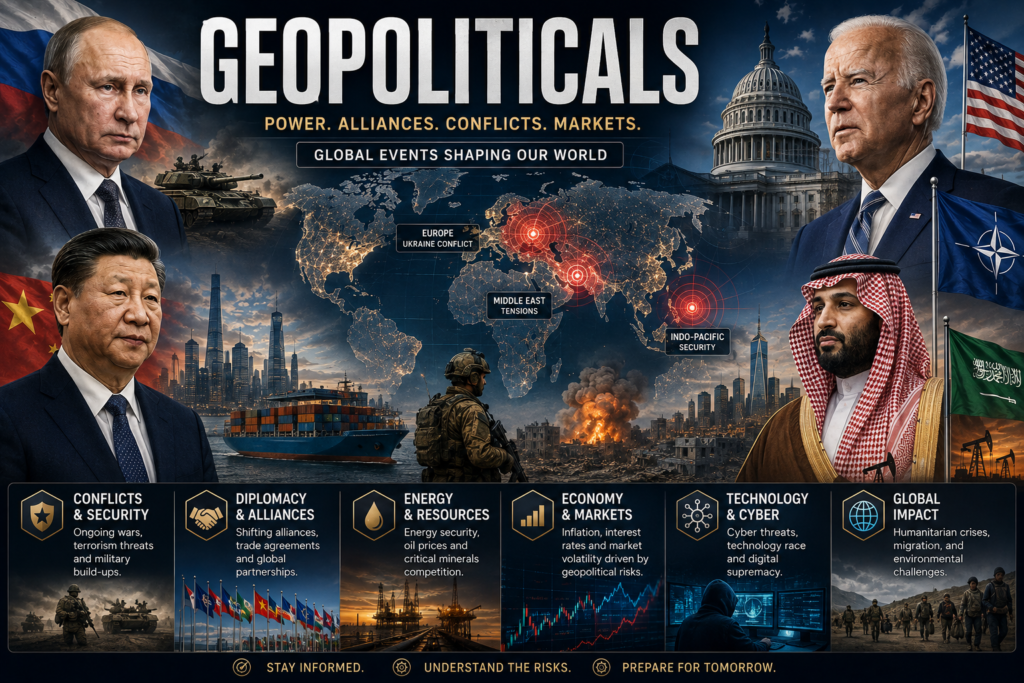
In-Depth Geopolitical and Market Analysis: August 7, 2026
As of Friday, August 7, 2026, global markets and diplomacy remain tightly linked to developments around the Strait of Hormuz, where a potential Iran-Oman framework for shipping continues to dominate headlines. Optimism from earlier in the week has given way to caution as details of any arrangement emerge, oil prices rebound, and equity markets pull back from recent highs. Persistent fighting in Ukraine, renewed friction along the Israel-Lebanon border, and key U.S. economic data add layers of complexity. The baseline remains one of elevated geopolitical risk premium, with energy markets serving as the primary transmission channel to broader asset prices.
Geopolitical Landscape
Strait of Hormuz and the U.S.-Iran Conflict
Iran and Oman are in the final stages of drafting an agreement on geographic coordinates for a commercial shipping corridor through the Strait of Hormuz. Iranian officials describe the talks as advanced and focused on technical, legal, security, and environmental elements. Reports indicate the emerging framework could involve Iranian oversight of inbound traffic near its coast, with outbound movements coordinated jointly or under Omani management. Some versions of the draft reportedly contemplate restrictions on certain flagged vessels and possible service or environmental fees.
Iran has repeatedly stated that any understanding with Oman alone will not guarantee safe passage and has conditioned fuller reopening on the United States ending its naval blockade of Iranian ports, addressing reimposed sanctions, and related issues. U.S. officials have signaled they will not accept arrangements granting Iran operational control, approvals, or tolls over the waterway. President Trump has expressed confidence that a deal could come soon and has denied significant munitions shortages, stating stockpiles remain adequate while production ramps up. Limited commercial traffic has already been observed moving through the strait in recent days.
Iran has also warned Gulf states that any renewed U.S. strikes on its territory would trigger retaliation against regional energy infrastructure. Houthi activity targeting Saudi tankers continues, and Saudi Arabia is reportedly bracing for potential coordinated attacks involving Iranian-aligned groups. These dynamics keep the risk of renewed escalation high even as diplomatic channels remain open.
Ukraine-Russia War
Russian strikes continue across multiple regions of Ukraine, with overnight attacks causing civilian casualties and damage. Ukrainian forces report high numbers of frontline clashes and have conducted long-range drone operations targeting Russian oil infrastructure and logistics. Air-defense shortages remain a critical constraint for Kyiv, with allies delivering significantly fewer interceptors this year compared with 2025. Moscow claims to have intercepted large numbers of Ukrainian drones. The conflict shows no signs of a near-term diplomatic breakthrough, sustaining pressure on European security and energy considerations.
Israel, Lebanon, and Gaza
Israel conducted strikes in southern Lebanon following what it described as a Hezbollah ceasefire violation, after an explosion killed Israeli soldiers. Evacuation warnings were issued in affected areas. On the Gaza front, Israel continues to insist it will not withdraw from current positions until Hamas is fully disarmed, resisting elements of broader U.S.-backed proposals. Talks involving Israel and Lebanon have faced pauses amid leaks and mutual accusations.
Other Developments
North Korea launched at least one ballistic missile, with no reported damage to Japan or its vessels. India and China held diplomatic talks on border management along the Line of Actual Control, emphasizing peace and stability. Europe faces ongoing extreme heat, with power plant constraints in several countries due to low river levels and high water temperatures. Domestic U.S. political and security stories, including air-traffic control disruptions in parts of the country, have also drawn attention.
Market Analysis
Equities
U.S. stocks closed lower on Thursday, August 6, snapping multi-day winning streaks for the major indexes. The Dow Jones Industrial Average fell approximately 0.9% (around 464 points) to near 53,885. The S&P 500 declined about 0.2% to roughly 7,710, pulling further from its recent record. The Nasdaq Composite eased slightly (around 0.1%) to near 26,348. Selling pressure came from rising oil prices, higher Treasury yields, and mixed corporate results. SpaceX shares showed resilience and recovered some ground after earlier weakness related to capital spending and lock-up dynamics. Asian markets opened softer on Friday amid higher energy costs and lingering uncertainty over Hormuz arrangements. Indian benchmarks also traded lower early in the session.
Investors are focused on today’s U.S. nonfarm payrolls report for July, which is expected to provide clearer signals on the labor market and Federal Reserve policy path. Strong overall corporate earnings for the second quarter have helped support valuations, but rate and energy sensitivity remain key.
Commodities and Energy
Oil prices rebounded sharply on Thursday and remained elevated into Friday as markets digested potentially restrictive elements of the Iran-Oman draft and the absence of a finalized, U.S.-acceptable deal. Brent crude traded in the low-to-mid $80s per barrel (around $82–$84), while WTI hovered near $78. The move reversed some of the declines seen earlier in the week when deal hopes were higher. Prices remain highly sensitive to every diplomatic headline, shipping data, and any new kinetic incidents.
Gold continued its strong run, heading for its best weekly performance since January. Spot and futures prices held in the $4,250–$4,300+ range after hitting multi-week highs, supported by residual geopolitical risk, softer oil (which eases some inflation concerns when declining), and positioning ahead of the jobs data. Lower energy prices in prior sessions had reduced expectations for aggressive rate hikes, benefiting non-yielding assets such as gold. Silver also advanced.
Central Banks and Macro Backdrop
Markets await the July nonfarm payrolls release for clues on whether the U.S. labor market is cooling enough to keep the Federal Reserve on hold or prompt further tightening later in the year. Recent private-sector data pointed to moderated hiring. Energy-price volatility continues to complicate inflation outlooks for the Fed, ECB, and other major central banks. Any sustained reopening of Hormuz that meaningfully increases oil supply would ease upward pressure on prices and support a more accommodative policy path; renewed disruption would do the opposite.
Interconnections and Outlook
Energy remains the critical link between geopolitics and markets. A credible, enforceable arrangement that restores substantial shipping volumes through the Strait of Hormuz without granting Iran effective control or high fees would likely push oil lower, reduce inflation risks, support equities (particularly rate-sensitive and consumer sectors), and potentially moderate gold’s safe-haven bid. Conversely, a restrictive or incomplete deal, failure to finalize terms, or fresh military action would keep oil elevated, pressure risk assets, and sustain demand for gold and other defensive positions.
Ukraine’s attrition warfare continues to strain air defenses and European resource commitments, while the Lebanon-Israel friction adds another regional flashpoint. Depleted precision-munitions inventories on the U.S. side introduce longer-term strategic constraints that could limit options in any escalation.
Near-term watchpoints
- Finalization or breakdown of the Iran-Oman Hormuz framework and any U.S. response.
- Shipping volumes and any new attacks in the Gulf or Red Sea.
- U.S. July nonfarm payrolls, unemployment rate, and wage data.
- Russian and Ukrainian strike intensity, especially against energy and logistics targets.
- Developments along the Israel-Lebanon border.
- Corporate earnings follow-through and any further AI/tech spending reactions.
Overall, markets are pricing a cautious, incomplete improvement in the Middle East energy corridor while remaining highly alert to setbacks. The environment favors volatility over a clean risk-on or risk-off narrative. Investors should monitor energy prices closely as the primary near-term driver of sentiment across asset classes.
This analysis is for informational and educational purposes. Market conditions change rapidly—always conduct your own due diligence or consult a financial advisor.