
Geopolitical Market Analysis: Navigating Volatility in a Fragmented World (Mid-2026 Update)
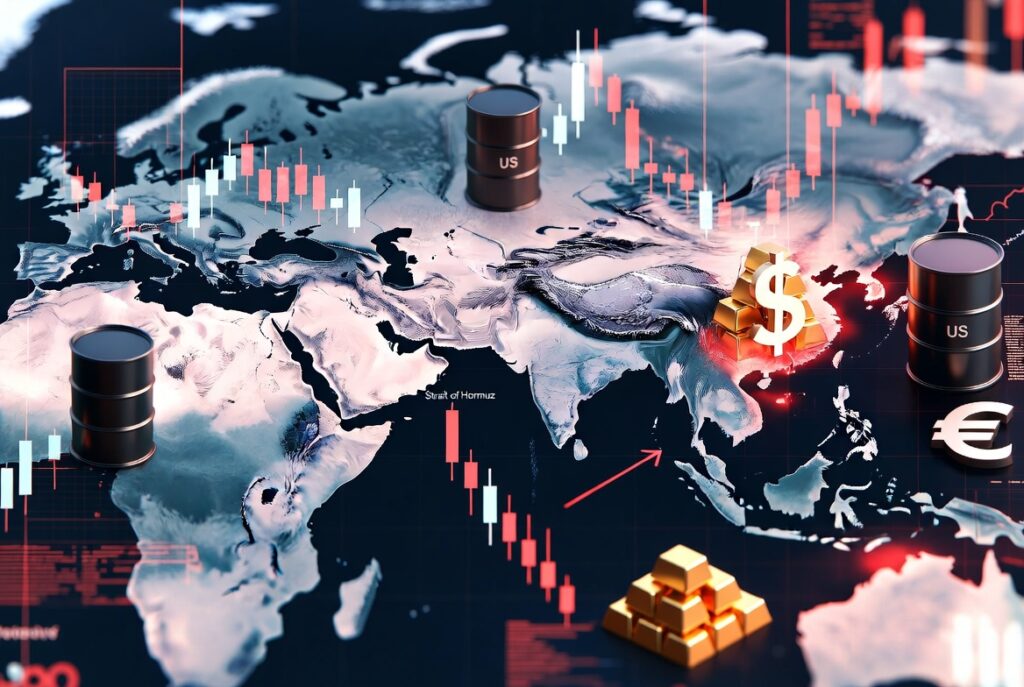
In mid-2026, global markets operate in a high-stakes environment shaped by persistent geopolitical tensions, energy disruptions, and great-power competition. The dominant event has been the escalation of conflict involving Iran, which disrupted the Strait of Hormuz and triggered one of the most significant energy supply shocks in decades.
This intersects with ongoing challenges in Eastern Europe, US-China strategic rivalry, and broader global fragmentation. These factors elevate risks while creating opportunities in defense, energy alternatives, and resilient supply chains. Markets have demonstrated notable resilience, often recovering from initial shocks, but volatility remains elevated with important implications for inflation, economic growth, and asset allocation.
The Iran Conflict and the Global Energy Crisis
The conflict in the Middle East has been the primary driver of market movements this year. Disruptions in the Strait of Hormuz — a critical chokepoint for global oil trade — along with damage to energy infrastructure led to a sharp initial supply shock. Oil prices surged dramatically, with Brent crude exceeding $118 per barrel at peaks before partially easing amid ceasefire negotiations and alternative supply routes.
As of late July 2026, Brent crude trades around the $89–90 range, reflecting ongoing uncertainty from fluctuating talks, partial reopenings, and renewed threats. Prices have been highly reactive: spiking on escalation news and rallying on de-escalation signals. Coordinated releases from emergency reserves and increased exports from other producers have helped mitigate some shortages, but the situation remains fluid.
Key Market Impacts:
- Inflation: Higher energy and related costs (including fertilizers, shipping, and jet fuel) have contributed to stickier price pressures worldwide.
- Growth: The shock has trimmed global economic forecasts, acting as a headwind for consumers and energy-intensive industries, though resilience in key sectors has limited broader damage.
- Equities: Major indices experienced drawdowns of roughly 8–12% during peak uncertainty, followed by recoveries supported by corporate earnings and policy responses. Energy and defense sectors generally outperformed.
- Commodities: Safe-haven assets like gold gained appeal, while uranium prices have rallied strongly amid rising nuclear interest and supply constraints.
A fragile ceasefire is in place, but risks of renewed disruption persist. The duration of any impairment to key shipping routes will determine the long-term economic footprint.
Russia-Ukraine and Other Regional Flashpoints
The conflict in Ukraine continues to influence energy markets and sanctions regimes, though its immediate market dominance has been overshadowed by Middle East developments. It has reinforced trends toward energy diversification in Europe and sustained defense spending. Additional tensions, including political shifts in regions like Venezuela, add layers of complexity and uncertainty to global trade and investment flows.US-China Relations: Strategic Competition with Periods of Calm
Bilateral ties between the US and China show cautious stabilization, featuring high-level engagements and adjustments to tariffs. Supply chains have continued shifting toward alternatives in Mexico, Vietnam, and other locations, narrowing some trade imbalances. However, underlying issues remain: technology restrictions, concerns over Taiwan, competition in critical minerals, and differing industrial strategies. Both sides appear focused on managing risks while advancing their respective priorities.
These dynamics raise overall risk premiums, encourage “friend-shoring,” and support industrial policy efforts in the US and Europe. Markets remain sensitive to developments around summits, export controls, and tech competition, particularly affecting emerging market equities and commodity-sensitive assets.
Broader Economic and Market Backdrop
Global growth continues at a moderate pace, supported by consumer spending in key economies and strong investment in artificial intelligence and technology infrastructure. The US economy has shown resilience with GDP expansion around 2%, though higher energy costs pose ongoing challenges. Inflation has proven stickier than anticipated due to commodity pressures, influencing central bank decisions.
Equity markets maintain a generally positive bias driven by innovation and earnings momentum, despite periodic volatility from geopolitical headlines. Valuations are elevated in some areas, favoring selective approaches and broader participation across sectors. Bonds and currencies have reflected safe-haven flows during risk-off periods, while commodities like gold and certain energy-related assets have offered diversification.
Investment Implications and Strategic Considerations
- Resilience Focus: Companies with strong balance sheets, pricing power, and diversified or localized supply chains are better positioned. National security-aligned sectors, including defense and critical technologies, offer structural tailwinds.
- Energy and Transition Opportunities: Elevated prices and security concerns accelerate interest in renewables, nuclear power, domestic production, and efficiency technologies.
- Risk Management: Investors should prepare for scenario volatility around key chokepoints and diplomatic developments. Hedging strategies and regular portfolio reviews are advisable.
- Fragmentation Plays: Opportunities exist in infrastructure rebuilding, regional supply chain investments, and sectors benefiting from heightened geopolitical awareness.
Risks to Monitor: Prolonged energy disruptions, escalation in any major theater, policy missteps on trade or fiscal fronts, or disappointment in technology-driven growth narratives. On the positive side, swift stabilization combined with productivity gains could support continued expansion.
Geopolitical risk has become a structural feature of the global landscape rather than a temporary event. Expect ongoing volatility, but the combination of innovation cycles and adaptive economic responses suggests markets can navigate these challenges. A long-term perspective, quality focus, and thematic exposure to resilience themes remain prudent.
This analysis reflects conditions as of late July 2026 and is for informational purposes only. Markets move quickly — investors should conduct their own due diligence or consult professional advisors for tailored guidance.