
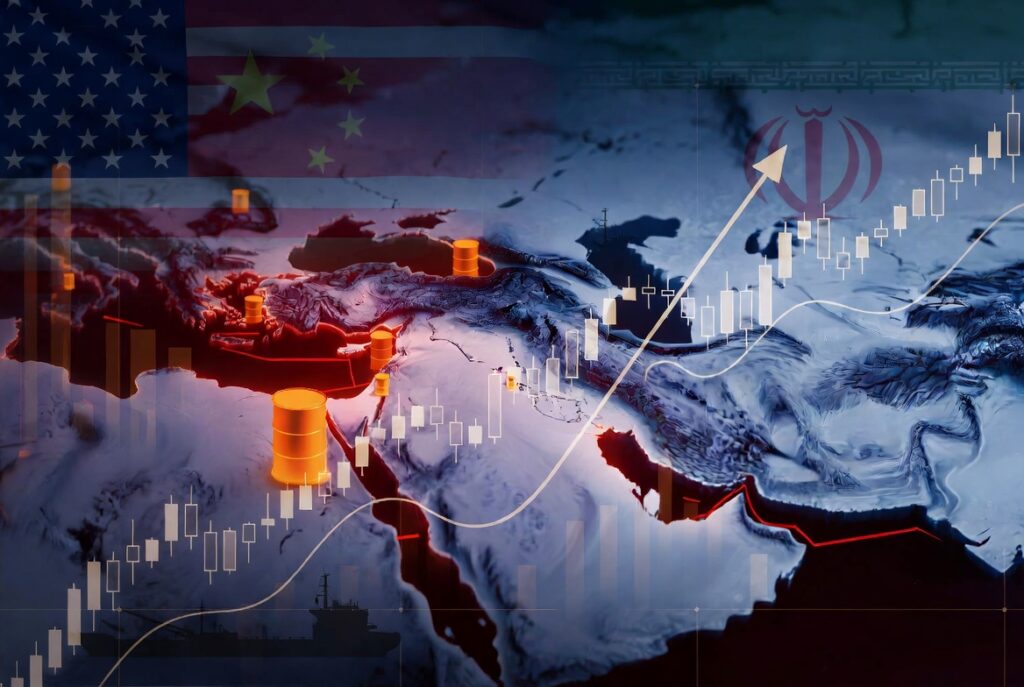
Geopolitical Market Review: May 21, 2026
Executive Summary
Global markets today show resilience amid persistent geopolitical tensions, primarily driven by the fragile ceasefire in the Middle East following U.S.-Israeli operations against Iran. Oil prices remain elevated due to disrupted shipping through the Strait of Hormuz, supporting energy sectors while pressuring broader equities and inflation expectations. Major indices posted modest gains in recent sessions, reflecting hopes for de-escalation, but volatility lingers as investors monitor diplomatic efforts involving the U.S., China, and regional players.
Key Geopolitical Developments
Middle East/Iran Conflict: The 2026 Strait of Hormuz crisis continues as a central market driver. Shipping traffic remains severely restricted, creating one of the largest oil supply shocks in decades. A U.S.-announced ceasefire has held uneasily for weeks, with recent diplomatic signals of “significant progress” in negotiations. However, occasional incidents involving vessels and threats of renewed strikes keep risks elevated. China has urged de-escalation, emphasizing the need to stop the fighting.
U.S.-China Dynamics: Tensions around potential Chinese support for Iran have added friction. Both sides continue to navigate trade relations and strategic stability alongside the current crisis.
Russia-Ukraine and Broader Eurasia: The conflict in Ukraine persists but has taken a backseat to Middle East headlines. Russia-Iran-China alignments are strengthening indirectly through energy dependencies caused by the Hormuz disruptions.
Other Notes: Lingering effects from earlier 2026 events continue to influence energy outlooks, but the immediate focus remains on the Gulf.Market Performance Snapshot (as of May 21, 2026)
- U.S. Equities: S&P 500 hovering near 7,420–7,430 with modest movement. Dow Jones trading around 50,000, while the Nasdaq continues to show resilience on tech strength. Markets have recovered from earlier war-related pullbacks but remain sensitive to oil and inflation signals.
- Oil: WTI Crude trading in the $99–$103 range, Brent near $106–$110. Prices are significantly higher year-to-date due to supply concerns but fluctuate with ceasefire hopes and renewed risks.
- Gold: Trading at elevated levels, acting as a safe-haven amid uncertainty.
- Broader Sentiment: Higher energy costs are feeding inflation worries and pressuring consumer and growth stocks, while boosting defense and energy names. Bond yields and the dollar reflect mixed risk-on/risk-off flows.
Analysis and Outlook
The primary transmission mechanism from geopolitics to markets remains energy prices. The partial closure of the Strait of Hormuz has tightened global supplies, supporting higher oil and contributing to sticky inflation that complicates central bank policies. Markets appear to be pricing in a contained scenario with eventual reopening, but any breakdown in the ceasefire could trigger sharper moves.Positive factors: Diplomatic momentum and strong corporate earnings in tech/AI sectors providing a buffer.
Risks: Escalation in the Gulf, U.S.-China spillover on trade/sanctions, or secondary effects on global shipping and food/fertilizer prices.Investor Implications:
- Diversification remains key — favor exposure to energy and commodities for hedging, while monitoring rate-sensitive sectors.
- Watch upcoming data on inflation, jobs, and any fresh diplomatic readouts.
- Longer-term, 2026 is shaping up as a year of “re-anchoring” with fragmented supply chains and heightened great-power competition.
Geopolitical risks are fluid. This environment rewards vigilance over complacency. Stay tuned for updates as negotiations evolve, and consider how your portfolio aligns with these macro shifts.