
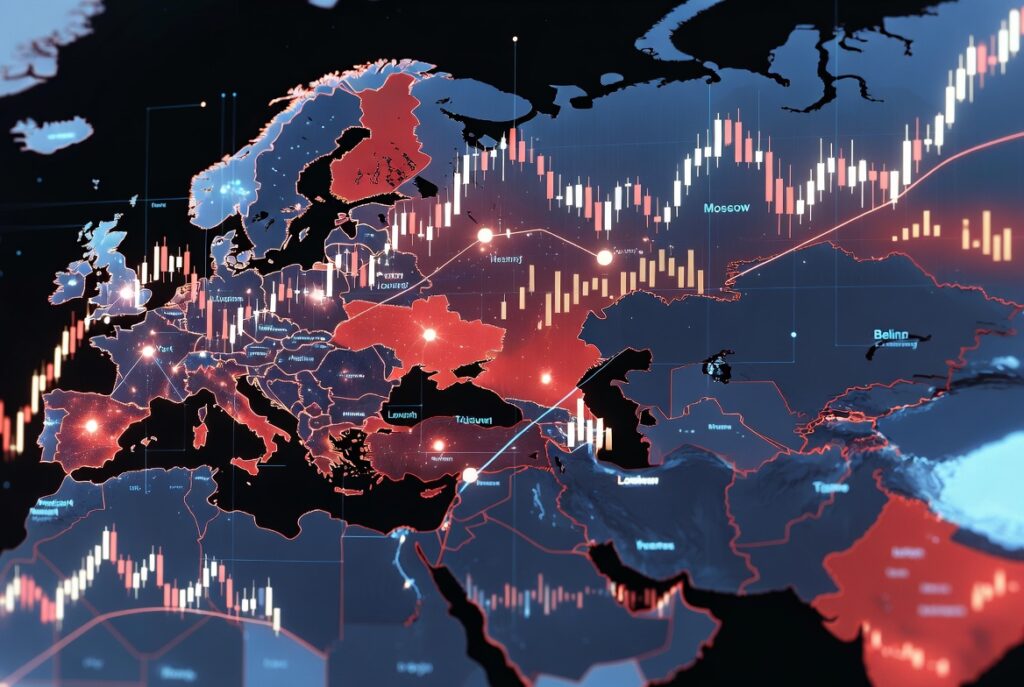
Geopolitical Market Review: June 2026 – Navigating Volatility in a Fragmented World
Introduction
In mid-2026, geopolitical risks have become the dominant driver of global markets, shifting from cyclical shocks to structural features of the investment landscape. The escalation of conflict in the Middle East, persistent US-China strategic competition, ongoing tensions in Eastern Europe, and rising trade fragmentation continue to reshape supply chains, energy flows, inflation expectations, and capital allocation.While markets have demonstrated remarkable resilience—quickly recovering from sharp drawdowns triggered by major events—investors face a higher-volatility regime characterized by differentiated outcomes across regions, sectors, and asset classes.
Key Geopolitical Flashpoints and Market Impacts
1. Middle East Conflict and Energy Markets
The most significant market-moving event of 2026 has been the escalation involving Iran, including military operations that led to disruptions in the Strait of Hormuz. This critical chokepoint saw sharply reduced traffic, causing Brent crude to spike dramatically (peaking above $120 before settling into a volatile $90–$100+ range).
- Impacts: Higher energy prices have fed into inflation concerns, pressured importers (especially in Europe and Asia), and boosted energy producers. Supply chain ripple effects hit fertilizers, chemicals, and plastics. Gold benefited as a safe-haven asset.
- Market Response: Equities experienced short, sharp sell-offs followed by rapid recoveries, underscoring markets’ ability to “climb a wall of worry” when physical disruptions prove temporary or manageable.
- Outlook: A ceasefire or partial reopening offers relief, but lingering risk premiums and potential for renewed escalation keep energy volatile. Russia has gained some leverage as an alternative supplier.
2. US-China Competition and Trade Fragmentation
Great power rivalry remains a core theme, with tariffs, export controls, technology restrictions, and supply chain “friend-shoring” or near-shoring accelerating de-globalization trends.
- Overcapacity in Chinese exports (EVs, solar, semiconductors) pressures Europe and others, prompting potential new trade measures.
- Critical minerals and rare earths face heightened scrutiny due to export controls.
- Taiwan tensions persist but have not escalated to direct conflict.
Markets: This favors diversified, resilient supply chains and boosts defense, industrials, and certain commodities. AI and tech spending continues as a countervailing growth driver in the US.3. Russia-Ukraine and Broader Europe
The conflict continues to influence energy flows and sanctions dynamics, though markets have partially adapted. Europe faces competitiveness challenges amid higher energy costs and external export pressures.4. Other Risks
- Debt sustainability concerns in major economies.
- Potential US policy shifts (tariffs, fiscal measures).
- Regional flashpoints in other parts of the world.
Market Performance Snapshot (as of early June 2026)
- Equities: Major indices like the S&P 500 have recovered to or near record highs despite volatility, supported by AI themes, corporate earnings resilience, and expectations of eventual de-escalation. Value, cyclicals, and small-caps have shown relative strength in periods of rotation.
- Commodities: Oil remains elevated with a risk premium; gold is strong.
- Bonds/Currencies: Higher inflation expectations challenge bonds; safe-haven flows vary.
- EM vs DM: Divergence based on commodity exposure and trade ties.
Overall, 2026 has seen structurally higher volatility but no prolonged bear market, as growth (aided by technology) and policy responses provide buffers.Investment Implications and StrategiesOpportunities:
- Energy and defense sectors.
- Companies with resilient, diversified supply chains.
- AI and productivity-enhancing technologies.
- Selective emerging market exposures tied to commodities or regional realignment.
Risks:
- Prolonged energy shocks feeding stagflation.
- Escalation in major flashpoints.
- Policy missteps amid high debt levels.
- Fragmentation leading to lower global growth potential.
Recommendations for Investors:
- Adopt flexible, scenario-based positioning.
- Increase diversification (geographic and thematic).
- Focus on quality companies with pricing power.
- Consider hedges against volatility and inflation.
- Monitor real-time developments in energy flows and diplomatic signals.
Conclusion: A New Normal of Geopolitical Premium
Geopolitics is no longer background noise — it is a core driver of returns in 2026. While risks of miscalculation remain elevated in a multipolar world with retreating multilateralism, markets have repeatedly shown adaptability. Success will depend on agility, deep research into supply chain vulnerabilities, and a long-term perspective beyond headline volatility.
This review is for informational purposes only and is not investment advice. Markets and events evolve rapidly — always conduct your own due diligence or consult a professional advisor.