1. Key Geopolitical Developments
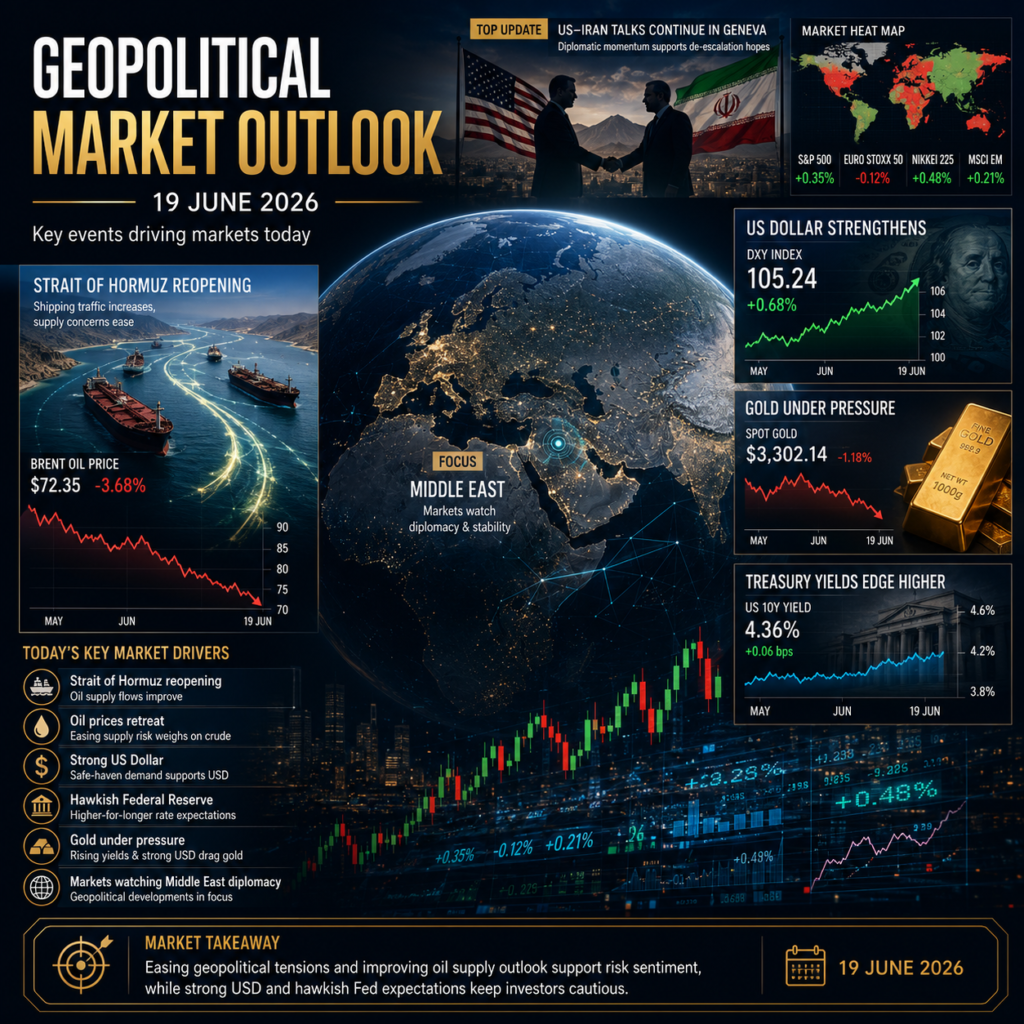
The dominant theme today is de-escalation in the Middle East following the recent US-Iran ceasefire/deal. This agreement, reportedly shaped with input from China and Russia (via diplomatic channels involving ambassadors and Iran’s deputy foreign minister), has reduced immediate risks of broader conflict.
- US-Iran dynamics: The deal allows Iran to resume oil sales quickly, with the US signaling no direct investment. Tensions with Israel persist (e.g., reports of VP criticism and ongoing Lebanon/Hezbollah issues), but the ceasefire has lowered fears of Strait of Hormuz disruption or wider war.
- Russia-China role: Both powers pushed for restraint and de-escalation. This strengthens their influence in the region and aligns with broader multipolar efforts, while the US focuses on containing escalation.
- Europe: The European Council Summit (June 18-19) in Brussels is underway, focusing on EU cohesion, potential Russia/Ukraine sanctions, China trade relations, and responses to the Middle East shift.
- Other notes: Ongoing G7 after-effects (from mid-June in France), FIFA World Cup hosting in North America (ongoing), and lower-level events like UN observances. No major new flashpoints reported today.
Overall geopolitical risk: Moderately lower in the short term due to the Iran ceasefire, though structural US-China-Russia rivalries, Ukraine, and Taiwan risks remain in the background. Markets are pricing in reduced near-term supply shock fears.
2. Market Overview (as of June 19, 2026)
Markets show relief from geopolitical tensions but pressure from monetary policy signals. US markets observe Juneteenth (holiday closure for some trading), shifting focus to futures and global bourses.
- Oil (Brent/WTI): Heading for a weekly loss. Prices eased post-ceasefire as Hormuz disruption fears recede and Iranian supply potentially returns. Recent trading around $75–80 range for benchmarks (down from earlier 2026 highs near $100+ amid conflict peaks). This supports global growth expectations but hurts energy exporters.
- Gold: Down sharply (~1.5–2% today) to around $4,140–4,150/oz, with monthly losses of ~8–9%. Hawkish Fed signals (possible rate hikes) and a stronger dollar reduced safe-haven demand. All-time highs earlier in 2026 exceeded $5,000.
- Equities: Asian stocks hit records amid risk-on sentiment from lower oil/geopolitical relief. US futures and European indices mixed-to-positive. Tech and growth sectors benefit from eased energy costs.
- Broader assets: Dollar firmer on Fed outlook; bonds/Treasuries stable-to-higher yields.
3. Economic Context and Drivers
Fed and Policy: Hawkish signals (officials open to hikes) are a key headwind for gold and risk assets, outweighing geopolitical relief. No major US data today, but rig counts and API/EIA oil inventories are scheduled.
Commodity spillover: Lower oil eases inflation pressures globally, potentially supportive for central banks elsewhere, but mixed for producers (e.g., Russia, Middle East).
Trade/China-EU: Watch Brussels talks for signals on tariffs and relations.
4. Outlook and Risks
Short-term (days–weeks): Risk-on bias. Lower energy prices and reduced Middle East tension support equities and consumer sectors. Gold may stabilize if any ceasefire friction emerges.
Medium-term:
- Watch Iran deal implementation and oil flows.
- EU Summit outcomes on sanctions/trade.
- Persistent US-China competition and any Ukraine developments.
Key risks: Deal breakdown, Israeli actions, or renewed Hormuz issues could spike oil/gold quickly. Fed policy remains the dominant market driver over geopolitics today.
This analysis reflects available real-time sentiment: markets are breathing easier on geopolitics but remain sensitive to US monetary signals. For live prices, consult reliable terminals as conditions evolve rapidly.