
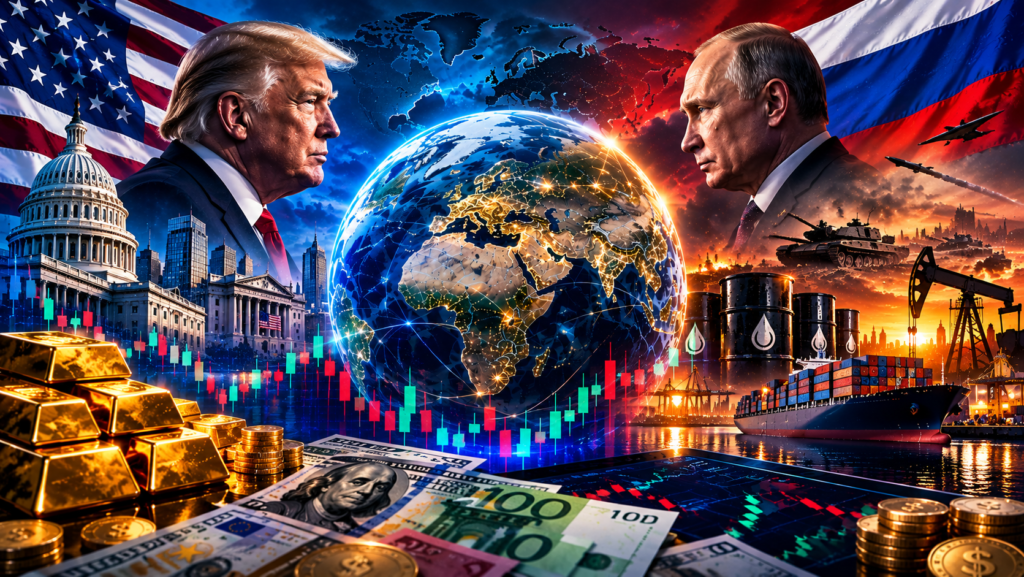
In-Depth Geopolitical and Market Analysis: September 16, 2026
Global markets and geopolitics remain tightly intertwined today, with the prolonged Iran conflict and cascading energy disruptions dominating headlines and price action. Elevated oil prices, multi-year highs in U.S. Treasury yields, and heightened risk of broader escalation are pressuring equities while fueling inflation concerns ahead of a highly anticipated Federal Reserve decision.
Middle East Escalation and the Energy Shock
The dominant story is the ongoing 2026 Iran war and its spillover into critical energy chokepoints. The Strait of Hormuz continues to face severe disruptions, with reports of tanker attacks, claims of mines or drone strikes, and sharply reduced oil flows. Saudi Arabia’s East-West pipeline—an alternative route bypassing Hormuz—remains closed after drone attacks, prompting shipment cancellations to European customers. No clear timeline exists for its reopening.
Iran-aligned Houthi forces have intensified operations in Yemen, seizing strategic Red Sea positions including Mocha (Mokha), Mayyun Island, and the Hanish islands. This gives them leverage over the Bab al-Mandab Strait, another vital trade artery handling roughly 12% of global commerce. Houthis have launched missile and drone attacks on Saudi targets, including claims (denied by the group) of a drone heading toward Mecca, which Saudi forces say they intercepted. The United Nations reports more than 100,000 people displaced in western and southern Yemen amid the renewed fighting.
These developments have driven crude to four-month highs: West Texas Intermediate above $105 per barrel and Brent near $108–109. Libya has also suspended operations at some fields due to protests, adding to supply fears. Outside the region, mutual attacks on energy infrastructure between Russia and Ukraine continue despite U.S. President Donald Trump’s claim of a mutual halt.
The human and fiscal costs are mounting. Estimates put the U.S. war effort against Iran at more than $38 billion through early August, with ongoing monthly costs potentially reaching $3 billion or more depending on intensity. Reports have highlighted munitions shortfalls and damage to U.S. bases and assets. Meanwhile, the Trump administration is moving forward with a large arms package to Israel that includes powerful 2,000-pound bombs.
Diplomatic tracks remain stalled. Gulf-Iran talks on Hormuz were postponed, and Iran’s top diplomat is heading to China for consultations as regional mediation efforts falter. India has publicly expressed deep concern over the blockades in both Hormuz and Bab al-Mandab.
Eastern Europe and NATO-Russia Tensions
The Ukraine war shows no resolution. Trump asserted that Kyiv and Moscow had agreed to spare each other’s energy infrastructure, but both sides have continued strikes—Russia hitting petrol stations in Kyiv and Ukraine targeting Russian refineries. A drone entered Lithuanian airspace from Belarus and was shot down by a NATO fighter near critical energy infrastructure, marking another airspace violation. Denmark accused a Russian warship of firing flares at a military helicopter, prompting EU condemnation of reckless behavior.
These incidents keep NATO on elevated alert and reinforce the broader sense of great-power friction extending from the Middle East to Europe’s eastern flank.
Markets Under Pressure: Oil, Yields, and the Fed
Equities extended losses on September 15. The Dow Jones Industrial Average fell 0.63% to around 52,093, the S&P 500 dropped 0.45% to 7,585.73, and the Nasdaq Composite declined 0.78% to 25,981. Energy was the rare bright spot, while consumer discretionary and rate-sensitive sectors lagged. Chip stocks partially recovered from the prior day’s AI-related selloff, but broader risk-off sentiment prevailed.
The bond market is sending a clear signal: the 10-year Treasury yield breached 5% (briefly hitting 5.041%), its highest level since 2007. Longer-dated yields also rose sharply. Markets are pricing a roughly 90–94% chance of a 25-basis-point Federal Reserve rate hike at this week’s meeting—the first in years—driven by sticky inflation risks from energy prices, solid labor data, and elevated government spending concerns. Fed Chair Kevin Warsh’s accompanying projections and press conference will be closely watched.
Gold has been under pressure near $4,300 as higher yields reduce the appeal of non-yielding assets, while the U.S. dollar has strengthened. Bitcoin and crypto-related stocks weakened amid legislative setbacks in the U.S. Senate. In Asia and emerging markets, the impact has been felt through weaker currencies, higher import costs, and equity declines (Indian benchmarks, for example, posted sharp losses).
Broader Geopolitical Currents: US-China Rivalry and AI
US-China strategic competition continues to shape the background. Beijing is deepening ties across Eurasia and the Global South while navigating sanctions risks related to support for Russia and Iran (including dual-use goods and oil trade workarounds). AI safety has become a flashpoint: industry leaders have called for slower development amid existential risk concerns, but US-China rivalry is widely seen as blocking meaningful bilateral agreements. Domestic U.S. debates over regulation, power plant emissions rules (recently loosened), and energy demand for data centers add another layer.
Outlook and Market Implications
Near-term risks center on further energy supply shocks. Sustained oil above $100–110 would reinforce inflationary pressures, support a more hawkish Fed path, and keep equity valuations under scrutiny—particularly for growth and consumer stocks. A meaningful de-escalation in Hormuz or Red Sea shipping, or credible progress on energy-infrastructure deconfliction in Ukraine, could reverse some of the recent pressure.
Energy producers and defense-related names remain relative beneficiaries. Safe-haven flows into the dollar and shorter-duration fixed income are likely to persist until clearer signals emerge from the Fed and the battlefields. Longer term, the wars are accelerating shifts in global energy trade routes, reserve diversification, and great-power alignments, with China positioned to expand commercial influence even as security burdens fall disproportionately on the United States and its partners.
Today’s environment underscores a simple reality: geopolitical flashpoints are no longer background noise—they are primary drivers of inflation, monetary policy, and risk appetite. Investors and policymakers will be watching oil inventories, Hormuz transit volumes, Fed communications, and any diplomatic openings with particular intensity in the days ahead.
This analysis reflects conditions as of early September 16th, 2026. The analysis is for informational and educational purposes. Market conditions change rapidly—always conduct your own due diligence or consult a financial advisor