Executive Summary
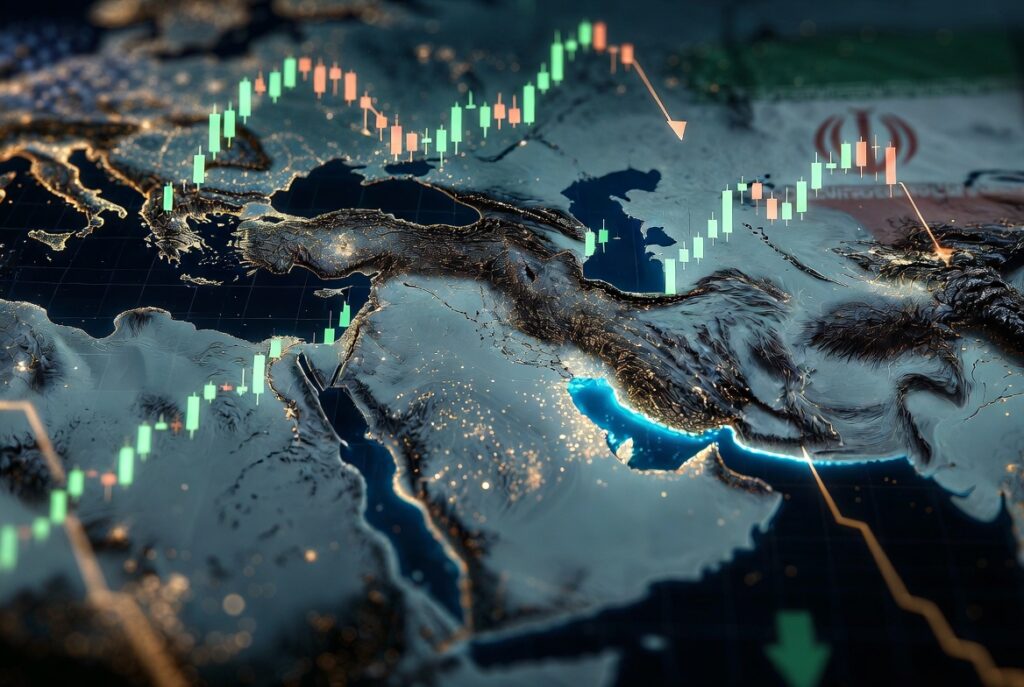
Markets opened the week with strong gains as reports of progress toward a U.S.-Iran agreement and potential reopening of the Strait of Hormuz eased geopolitical tensions that have weighed on markets throughout 2026. Equity indices are rallying, oil prices are retreating sharply, and risk appetite is returning. However, the ongoing G7 Summit in Évian, France (June 15-17) and broader great-power frictions mean volatility remains elevated.
Key Market Moves (as of early June 15 trading):
- Equities: S&P 500 futures and major Asian indices (Nikkei +5.5%, Kospi +5.7%) surging on de-escalation hopes.
- Oil: Sharp declines as supply disruption fears ease.
- Gold: Trading above $4,300/oz with modest moves today but facing pressure from improving risk sentiment.
- Bitcoin/Crypto: BTC pushing above $65,000 on improved risk appetite.
Primary Geopolitical Driver: U.S.-Iran Conflict and Fragile Ceasefire
The dominant story of 2026 has been the U.S.-Israel-Iran conflict, which disrupted energy flows through the Strait of Hormuz and triggered one of the largest oil supply shocks in decades. A fragile ceasefire has held unevenly, but fresh confirmation of progress toward a broader deal has triggered a classic relief rally.Market Implications:
- Reduced near-term tail risk for energy and shipping.
- Boost to global growth expectations and corporate earnings (especially cyclicals, airlines, and consumer stocks).
- Downward pressure on defense stocks after earlier gains.
Risks Remain: Negotiations remain slow and uneven. Any re-escalation involving Hezbollah, Lebanon, or Gaza could quickly reverse the positive sentiment.
Broader Geopolitical Landscape
- G7 Summit (Évian, France, June 15-17): Leaders are discussing economic security, Ukraine support, China relations, energy policy, sanctions, and critical minerals.
- Russia-Ukraine: Ongoing stalemate continues to influence European energy policy and defense spending.
- U.S.-China Competition: Persistent tensions in technology, supply chains, AI, semiconductors, and rare earths. New arenas of competition are emerging in Latin America.
- Other Flashpoints: North Korea, Taiwan/South China Sea, and various regional elections add layers of uncertainty.
Sector and Asset Implications
Winners from De-escalation:
- Energy consumers (airlines, chemicals, manufacturing)
- Cyclical stocks and small-caps
- Emerging markets with high energy/import exposure
Areas to Watch:
- Defense and traditional energy producers may see mean-reversion.
- Gold and other safe-haven assets could face headwinds if tensions continue to cool.
- Technology and AI stocks remain relatively resilient but are sensitive to overall risk sentiment.
Outlook and Investor Considerations
Short-term (Next 1-4 Weeks): Positive bias driven by Iran deal momentum and G7 diplomacy. Any setbacks in negotiations could trigger a sharp reversal.
Medium-term (Rest of 2026): Geopolitical risk premium remains elevated. Markets have shown resilience thanks to AI productivity gains, but high debt levels, policy uncertainty, and a fragmented global order warrant caution.
Recommendations for Readers:
- Maintain diversified portfolios with exposure to both growth (AI/tech) and real assets.
- Closely monitor energy prices and developments in the Strait of Hormuz.
- Use periods of volatility for opportunistic rebalancing.
- Stay informed on G7 outcomes for signals on trade, sanctions, and international coordination.
This analysis is for informational purposes only and is not investment advice. Markets can shift rapidly on new developments.