Executive Summary
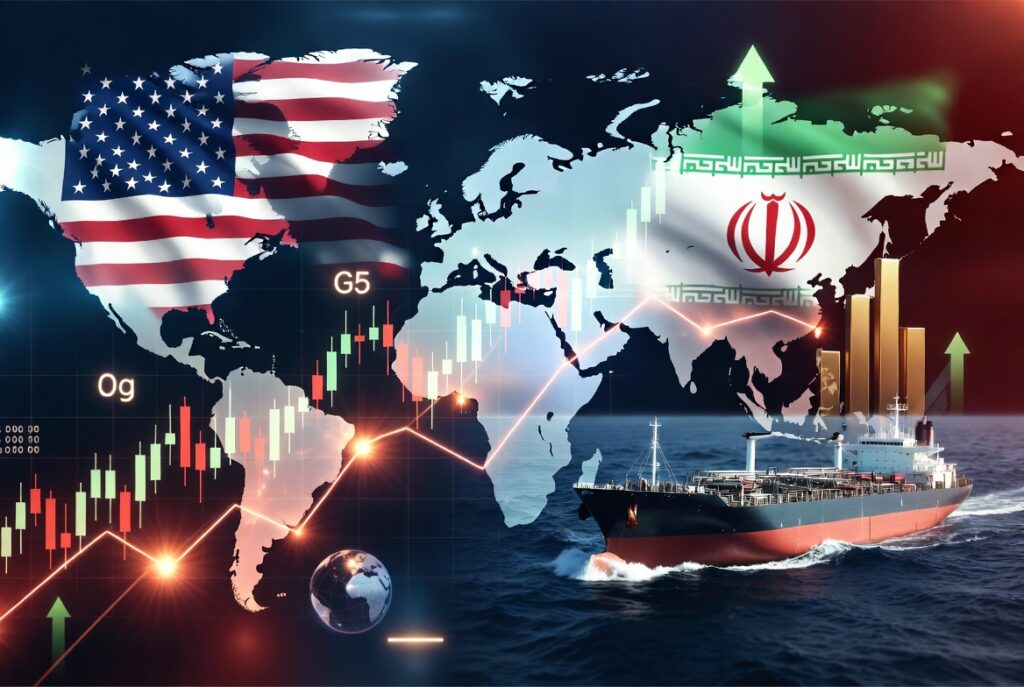
Global markets demonstrate resilience amid escalating U.S.-Iran tensions in the Middle East. Major U.S. indices closed higher on Thursday, driven by strength in chip stocks and AI-related optimism, even as investors monitored fresh airstrikes and retaliatory actions. Oil prices remain elevated but have pulled back slightly as disruptions to the Strait of Hormuz appear contained for now. Gold holds near recent highs as a safe-haven asset, the U.S. dollar remains stable, and equities continue to digest strong first-half gains. A geopolitical risk premium exists but has not derailed the broader risk-on sentiment supported by technology leadership and corporate earnings expectations.
Equity Markets
U.S. stocks posted solid gains despite Middle East headlines:
- The Dow Jones Industrial Average advanced modestly.
- The S&P 500 rose around 0.8%.
- The Nasdaq Composite outperformed with gains near 1.3%, led by semiconductors and AI-related names.
The S&P 500 and Nasdaq have delivered strong year-to-date returns after posting their best quarter since 2020 in Q2. Technology and AI names continue to lead, with notable rotation into financials, industrials, and defense sectors. Volatility remains moderate.
International markets are mixed, with some Asian indices showing volatility due to chip sector exposure and energy concerns, while European shares reflect earlier quarterly strength.
Commodities and Energy
Oil prices spiked on U.S.-Iran strikes and threats to shipping routes but moderated in recent sessions. Concerns center on potential disruptions in the Strait of Hormuz following attacks on commercial vessels, though a full closure has been avoided. U.S. actions have targeted Iranian coastal and defense assets.
Gold trades near $4,100–$4,126 per ounce, supported by geopolitical uncertainty. Bitcoin hovers around $63,000, showing modest resilience amid broader risk sentiment.
Currencies and Fixed Income
The U.S. Dollar Index remains stable near 100.7–100.9, balancing safe-haven flows with rate expectations. Treasury yields show a modestly upward-sloping curve, with the 10-year around 4.5–4.55% and the 30-year pushing toward or above 5% at points recently. Bond markets reflect a resilient U.S. economy alongside lingering inflation risks from energy and policy factors.
Key Geopolitical Drivers
The primary focus is the renewed escalation between the U.S. and Iran. Recent U.S. airstrikes followed Iranian actions against vessels near the Strait of Hormuz, leading to a breakdown in the fragile June ceasefire. Tit-for-tat exchanges have included strikes on military targets and Gulf bases. While risks to oil supply and shipping persist, markets currently view the situation as contained rather than a full-scale conflict likely to trigger a global recession.
Broader factors such as Russia-Ukraine dynamics and U.S. policy priorities add context but remain secondary to Middle East developments this week.
Outlook and Risks
Positive drivers include strong corporate earnings (particularly in AI and technology), a resilient U.S. consumer and economy, and historical market ability to look past geopolitical events when energy impacts stay limited. Sectors like defense and energy may see continued interest.
Key risks involve further escalation in the Strait of Hormuz leading to sustained higher oil prices, renewed inflation pressures, and potential supply chain disruptions. Equity valuations in technology could face pressure if risk aversion rises sharply. Investors should also watch second-half seasonality and upcoming economic data.
Bottom Line: Markets are treating current geopolitical developments as noise rather than a systemic threat. The underlying economic and innovation tailwinds supporting equities remain intact. Monitor oil prices, shipping activity in key chokepoints, and any signs of de-escalation closely. A diversified approach across sectors and asset classes—with hedges in energy and defense—continues to make sense in this environment.
This analysis is for informational purposes based on market conditions as of July 10, 2026. It does not constitute investment advice. Consult a qualified financial advisor for personalized recommendations.