
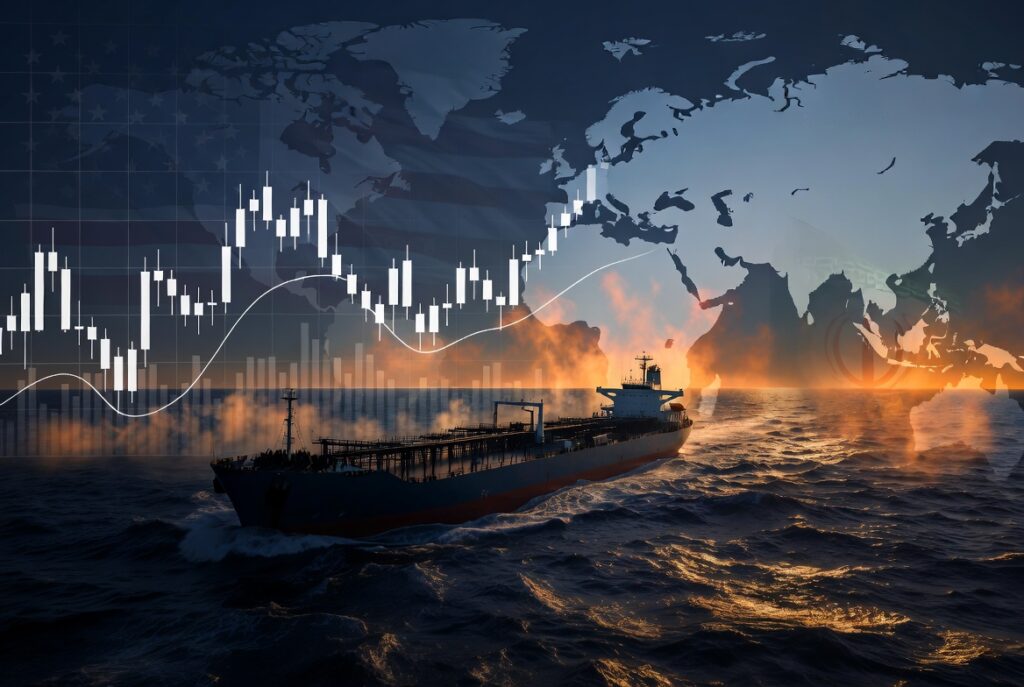
Geopolitical Analysis for Markets: June 8, 2026
Navigating Fragile Ceasefires, Energy Disruptions, and Resilient Risk Appetite
Executive Summary
Global markets on June 8, 2026, show resilience amid persistent geopolitical tensions, primarily centered on the fragile US-Iran ceasefire and disruptions in the Strait of Hormuz. A recent hot US jobs report has introduced fresh volatility, with concerns over delayed Federal Reserve rate cuts. However, strong corporate earnings—fueled by AI investment—and investor optimism about eventual de-escalation in the Middle East have kept major indices near record territory.
Oil prices remain elevated due to constrained shipping, supporting energy sectors while pressuring inflation expectations. Equities have largely shaken off earlier shocks, but downside risks persist if the ceasefire unravels or energy disruptions prolong. Investors are pricing in a “wait-and-see” approach, favoring quality growth assets over broad risk-on exposure
Key Geopolitical Flashpoints
1. Middle East: Fragile Ceasefire and Hormuz Chokepoint
The April 8 ceasefire between the US, Israel, and Iran holds uneasily, now more than two months old. Shipping through the Strait of Hormuz—critical for ~20% of global oil—remains severely impaired. This has created the most significant energy supply shock in decades, displacing substantial crude and LNG volumes.
- Market Impact: Oil prices surged sharply earlier but have settled as markets anticipate gradual reopening. Energy equities benefit, while broader inflation risks weigh on rate-sensitive assets. Gold and safe-haven flows have seen episodic demand.
- Outlook: Negotiations continue slowly. A durable deal could ease pressures and support a relief rally, but re-escalation risks remain. Duration of disruption is the key variable for 2026 outlooks.
2. Russia-Ukraine and Broader Fragmentation
The ongoing conflict continues to influence energy markets and European security dynamics, though it has been overshadowed by Middle East developments. Geopolitical fragmentation is prompting higher defense spending and supply-chain reshoring in the West.3. Other Risks
- Venezuela political shifts and Arctic/Greenland strategic talks add secondary energy and resource considerations.
- US-China trade and tariff dynamics remain a structural backdrop, with potential for renewed volatility.
Market Snapshot and Implications (as of June 8, 2026)
- Equities: S&P 500 and other US indices near highs or recovering after pullbacks. Recent sessions saw tech weakness on rate fears (e.g., strong May jobs data). Markets have historically recovered quickly from geopolitical shocks if fundamentals hold.
- Oil & Commodities: Elevated but not in full crisis mode. Energy sector outperformance likely if disruptions linger.
- Bonds & Currencies: Treasury yields rose on hot jobs data; USD strength as a safe haven. Inflation expectations ticked up modestly.
- Crypto & Alternatives: Mixed; some hedging properties in major coins during moderate risk, but vulnerability in altcoins.
Sector Winners/Losers:
- Positive: Energy, defense, certain commodities.
- Cautious: Rate-sensitive growth (tech), consumer discretionary (if inflation sticks), emerging markets exposed to energy imports.
Forward-Looking Assessment Base Case (Most Likely): Ceasefire holds with gradual normalization of energy flows over weeks/months. Global growth around 3.1–3.2% in 2026, supported by AI productivity and earnings resilience. Markets grind higher with volatility around data releases and diplomacy.
Downside Risks: Prolonged Hormuz disruption → sustained high oil/inflation → delayed rate cuts or stagflationary pressures. Escalation in any theater could spike volatility.
Upside: Faster diplomatic resolution + strong earnings → broad risk-on rally, with rotation beyond mega-cap tech.
Investment Considerations for Readers
- Diversify: Maintain exposure to real assets and sectors that benefit from higher energy prices.
- Risk Management: Use volatility for selective entries; favor companies with strong balance sheets and pricing power.
- Monitor: Strait of Hormuz traffic updates, US-Iran/Israel negotiations, upcoming CPI/inflation data, and central bank signals.
- Long-Term: Geopolitical shocks tend to create buying opportunities as markets separate headlines from lasting economic damage.
This analysis is for informational purposes only and is not investment advice. Markets evolve rapidly—always conduct your own due diligence or consult a professional advisor.